
The special character of the motorcycle licence
More than transport
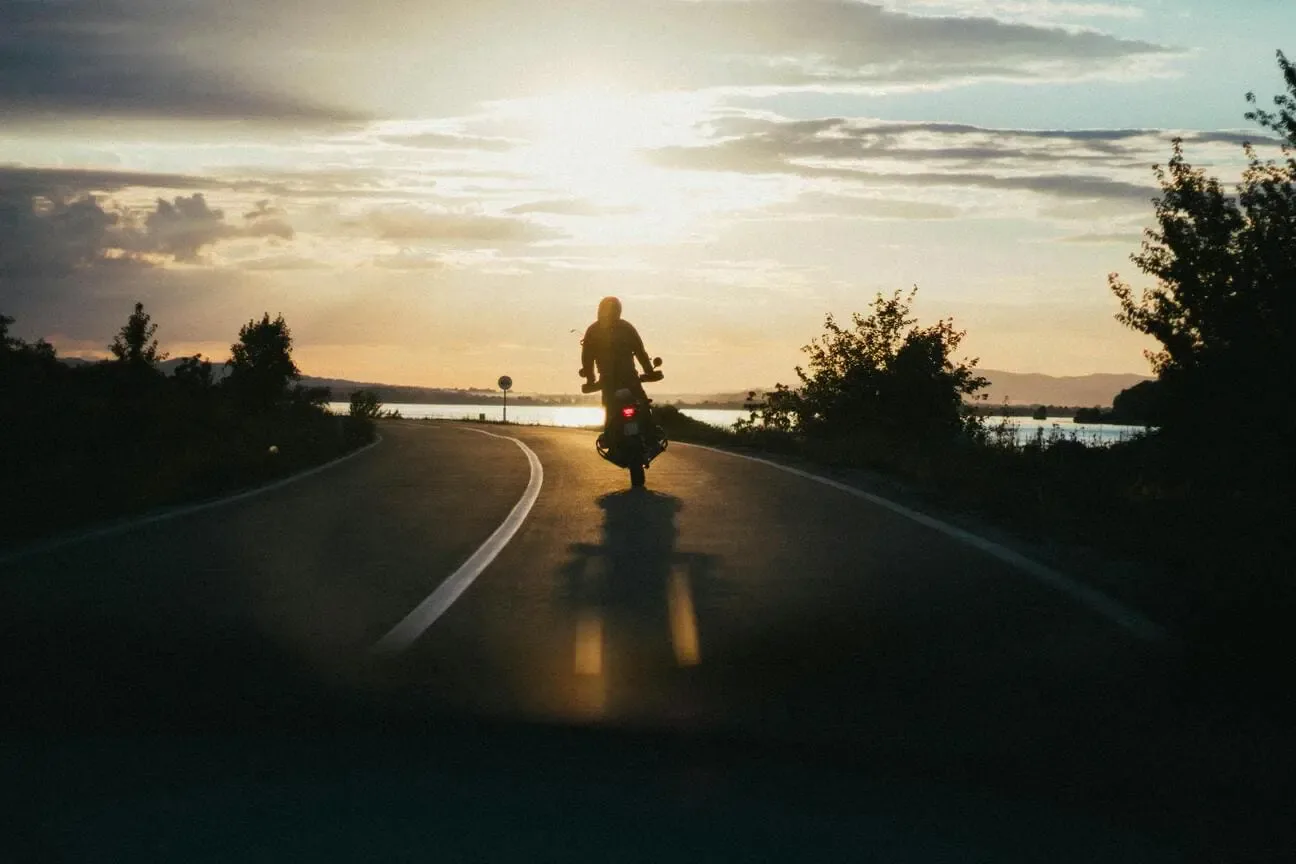
A motorcycle licence is not just about getting from A to B. It is about presence, balance and a different connection to the road. On a motorcycle you are not shielded by bodywork and comfort. You feel the wind, the surface and the pace directly. It gives an intense sense of riding that many describe as both meditative and adrenaline-fuelled.
At the same time, it places greater demands on the rider. You are more exposed than others around you, and that is why anticipation and defensive riding become absolutely central elements.
Responsibility and risk awareness
A motorcycle licence comes with significant responsibility. The risk is higher than in a car, and mistakes often have greater consequences. That is why risk awareness plays a bigger role in the training. It is about reading the traffic early, anticipating other drivers' mistakes and constantly positioning yourself tactically correctly on the road.
Types of motorcycle licence
A1, A2 and A – what is the difference
The motorcycle licence is divided into categories that reflect both age and experience. A1 gives access to a light motorcycle and is often the entry point for younger riders. A2 covers the middle class with more power, but still with restrictions. A is the full motorcycle licence with no power restriction.
The division ensures that experience is built up gradually. It is not an obstacle, but a safety mechanism that gives the body and your reactions time to keep up.
Direct access or upgrading
Depending on your age and any previous licence, you can either obtain a motorcycle licence through direct access or upgrade from a lower category. Upgrading requires fewer lessons, but still demands precision and control. Experience is highly valued.
The path to the motorcycle licence
Theory with a focus on the motorcycle
The theory resembles car theory in many respects, but with a clear motorcycle focus. Positioning on the road, visibility, braking distance and grip play a bigger role. You learn to think in terms of escape routes and to assess situations where a car might get away with it, but a motorcycle cannot.
These are details that seem small on paper, but are decisive in practice.
Manoeuvres and riding in practice
The practical part differs markedly from the car licence. Slow riding, balance exercises and precise manoeuvres are the foundation. This quickly reveals whether you have control over the machine, or whether the machine has control over you.
On the road it is all about calm. Smooth movements. Correct gear selection. And constant awareness of your surroundings.
Tests, pace and preparation
The riding test on a motorcycle
The riding test assesses both technique and overview. The examiner looks not only at whether you can follow the rules, but also at the way you ride. Are you fluent. Are you anticipating. Are you at ease on the motorcycle.
Small uncertainties can quickly become apparent, because the body is an active part of the riding.
How long does it take
The time it takes to get a motorcycle licence varies. Some have natural balance and learn quickly. Others need more time to build confidence. The season also plays a part, as many take their motorcycle licence in spring and summer, when waiting times can occur.
Price and planning
What does a motorcycle licence cost
The price depends on the category, the number of lessons and any extra driving lessons. A motorcycle licence can be more expensive than a car one, partly because equipment and individual training play a bigger role. It is important to see it as an investment in safety, not just a certificate.
Equipment and extra costs
A helmet, jacket, trousers, gloves and boots are not optional extras. They are a requirement. Some items can be borrowed at the start, but most people soon choose their own gear. It increases comfort and control and gives a more natural riding experience.
Once you have the licence
The first rides on your own
The first rides without an instructor are formative. This is where you really get to know yourself as a motorcyclist. Many choose quiet routes to begin with. That is wise. Experience is built up gradually, not through pressure.
Maintaining your skills
A motorcycle licence requires upkeep. Breaks from riding can quickly be felt. Courses, refreshers and deliberate practice keep your level high and reduce the risk. This is where the responsible motorcyclist stands apart from the rest.
A motorcycle licence is not for everyone. But for those who choose it, it opens up a world of freedom, focus and the joy of riding. On two wheels there are no filters. Just you, the machine and the road ahead.